Best 4K IPTV Australia 2026: Ultimate Guide to Crystal-Clear Streaming
The 4K IPTV revolution has finally hit Australia properly in 2026, and bloody oath, it’s been worth the wait. Gone are the days of buffering nightmares and pixelated footy matches – we’re now in the golden age of ultra-HD streaming that makes your fancy telly actually worth the investment.
- 4K IPTV services now offer 3840×2160 resolution with HDR10+ support across Australia
- NBN upgrades in major cities have finally made buffer-free 4K streaming accessible for most households
- Legal IPTV providers now include more Australian content than ever before, including AFL, NRL and cricket
- New-generation streaming boxes from NVIDIA, Amazon and Apple deliver superior 4K IPTV performance
- Premium IPTV subscriptions with 4K content start from $25/month with the Best Prices at iptvservice.com.au
What is 4K IPTV and Why It’s Taking Over Australian Living Rooms
4K IPTV represents the perfect marriage between ultra-high-definition resolution and internet-based television delivery. Unlike traditional broadcasting methods that send everything simultaneously, IPTV (Internet Protocol Television) streams only what you’re watching, when you’re watching it – but now with four times the resolution of standard HD content.
For Aussies, this technological leap means access to crystal-clear sports broadcasts where you can practically count the blades of grass at the MCG, movies that showcase every detail the director intended, and documentaries that bring the Outback’s vibrant colours directly into your lounge room. The technical specifications are impressive: 3840×2160 pixels, often paired with HDR (High Dynamic Range) for improved contrast and wider colour gamuts that make standard HD look decidedly washed out by comparison.
The adoption rate in Australia has exploded in 2026, with Statista reporting that over 68% of Australian households now subscribe to at least one 4K-capable streaming service. This surge coincides with NBN’s final rollout of high-speed fibre connections to regional areas, ensuring that viewers from Broome to Hobart can enjoy uninterrupted ultra-HD content.
What’s particularly fascinating is how 4K IPTV has democratised premium content. No longer are Australians limited to the programming decisions of traditional broadcasters like Nine, Seven, or Ten. Instead, we now have unprecedented access to global content libraries, niche sports from around the world, and specialised programming that caters to Australia’s diverse population – all delivered in stunning clarity that makes your expensive TV actually worth the investment.
The environmental impact shouldn’t be overlooked either. The shift from satellite broadcasting (with its energy-intensive uplink requirements) to more efficient IP-based delivery systems has reduced the carbon footprint of our entertainment consumption. Many leading IPTV providers now offset the server energy requirements, making 4K streaming a surprisingly green option for the environmentally conscious Aussie viewer.

4K IPTV Technical Requirements: What Aussies Need to Know
Before you dive headfirst into the 4K IPTV ecosystem, let’s be brutally honest about what you’ll need for a seamless experience. First and foremost, your internet connection is the backbone of any quality streaming setup. For buffer-free 4K content, you’ll need a minimum of 25Mbps of consistent bandwidth – and that’s for a single stream. If your household resembles most Australian homes where multiple devices are streaming simultaneously, you’ll want to aim for 50-100Mbps to avoid the dreaded buffering wheel of doom.
NBN has finally delivered on its promises in most metropolitan areas like Sydney, Melbourne and Brisbane, with FTTP (Fibre to the Premises) connections easily handling these requirements. However, if you’re still stuck with FTTN (Fibre to the Node) in regional areas like Wagga Wagga or Ballarat, you might experience occasional peak-time slowdowns that affect your 4K quality. The good news is that NBN’s 2025 upgrade initiative has significantly improved this situation for most Australians.
Your display technology matters enormously. While any TV labeled “4K” will technically display the resolution, not all panels are created equal. Look for TVs with proper HDR support (preferably Dolby Vision or HDR10+), adequate brightness (at least 600 nits for visible HDR effects), and good local dimming capabilities. Brands like Sony, Samsung, and LG continue to lead the Australian market with their premium offerings, but TCL and Hisense have made remarkable strides in delivering quality 4K panels at more affordable price points.
The streaming device you choose can make or break your 4K IPTV experience. While many smart TVs have built-in apps, their processors often struggle with the demanding requirements of 4K streams, especially when handling advanced features like Dolby Atmos audio or high bitrate HDR content. External streaming devices like the NVIDIA Shield Pro, Apple TV 4K (3rd gen), or the Fire TV Cube provide significantly better performance, more regular updates, and broader compatibility with various IPTV services.
Don’t overlook your home network infrastructure. Even with blazing NBN speeds, a dodgy Wi-Fi connection can bottleneck your experience. For optimal 4K streaming, consider hardwiring critical devices via Ethernet or investing in a quality mesh Wi-Fi 6E system that can maintain consistent throughput across your home. Brands like ASUS, TP-Link, and Netgear offer excellent options that have been properly tested for Australian home layouts and construction materials.
| Internet Speed | Video Quality | Recommended For |
|---|---|---|
| 5-10 Mbps | HD (1080p) | Basic streaming, small households |
| 15-25 Mbps | 4K SDR | Single 4K stream, basic households |
| 25-50 Mbps | 4K HDR | High-quality 4K, small households |
| 50+ Mbps | Multiple 4K HDR | Multiple streams, gaming households |
Top 4K IPTV Services Available in Australia (2026)
The Australian 4K IPTV landscape has matured significantly in 2026, offering viewers a diverse range of options that cater to different content preferences and budgets. Let’s cut through the marketing fluff and examine what’s genuinely worth your dollarydoos this year.
Kayo Sports has finally embraced full 4K streaming across all its premium sports content, making it the go-to option for footy fanatics and cricket tragics. Their exclusive 4K broadcasts of AFL, NRL, and international cricket matches deliver an unparalleled viewing experience. Their recent partnership with global sports networks has expanded their 4K library to include Formula 1, Premier League, and NBA – all available with minimal latency (crucial for live sports). Their 4K tier starts at $35/month with a 14-day free trial that gives you ample time to test the quality on your setup.
For movie buffs, Binge Premium has upped their game significantly, now offering over 80% of their catalogue in 4K HDR, including their acclaimed HBO content. Their user interface finally received the overhaul it desperately needed, making navigation much more intuitive on larger screens. At $18/month for their 4K tier, it represents excellent value compared to international offerings. The only downside remains their somewhat limited Australian content library, though this has improved with recent acquisitions.
Netflix continues to lead the pack in terms of sheer 4K content volume, with virtually all new originals and many catalogue titles available in ultra-HD. Their proprietary adaptive streaming technology remains unmatched in handling variable connection speeds – crucial for many Australian households during peak hours. However, their price point has become increasingly hard to justify at $22.99/month for the 4K-enabled tier, especially with regional content restrictions still frustratingly in place for some international shows.
For those seeking specialised content, iptvservice offers some of the Best Prices in Australia, with packages starting from just $25/month for access to an extensive 4K channel lineup. Their dedicated Australian servers have significantly reduced the latency issues that plagued earlier IPTV providers, and their newly expanded content deals mean you’re getting legal access to premium channels. Their interface has improved dramatically in the past year, though it still lacks some of the polish of the major streaming platforms.

Best 4K IPTV Australia 2026 — iptvservice.com.au
Best Streaming Devices for 4K IPTV in Australia
The streaming device you choose acts as the brain of your 4K IPTV setup, and in 2026, the differences between devices have become more pronounced than ever. Let’s examine which boxes and sticks deliver the goods for demanding Australian viewers.
The NVIDIA Shield TV Pro remains the gold standard for serious 4K streaming enthusiasts. Its Tegra X1+ processor still handles demanding 4K HDR streams with ease, and NVIDIA’s commitment to software updates means even 2019 models run the latest Android TV OS flawlessly. What sets it apart is the AI-enhanced upscaling that makes even 1080p content look remarkably close to native 4K – perfect for older Australian shows that haven’t received the 4K remaster treatment. The $299 price tag is steep, but justified for power users who want the absolute best performance.
Apple’s 3rd generation Apple TV 4K has made significant inroads in the Australian market thanks to its simplified interface and exceptional video processing. The A15 Bionic chip handles 4K Dolby Vision content effortlessly, and the colour accuracy is second to none – crucial for film buffs who want to see content exactly as directors intended. Apple’s partnerships with Australian broadcasters have expanded, making it easier to access local content through a unified interface. The 128GB model at $249 represents the sweet spot for most users.
For budget-conscious Aussies, the Amazon Fire TV Stick 4K Max (2025 edition) delivers surprising performance at just $99. The quad-core processor handles most 4K content without breaking a sweat, though you might notice occasional frame drops during particularly demanding scenes with complex HDR metadata. The interface remains somewhat cluttered with Amazon-promoted content, but the universal search function has improved dramatically, making content discovery across multiple services much more intuitive.
The dark horse in the Australian market is the Roku Streaming Stick 4K, which finally made its official Australian debut in late 2025. Its straightforward, platform-agnostic interface has resonated with Aussies tired of ecosystem wars, and the performance is rock-solid for 4K HDR streaming. At $129, it hits the sweet spot between budget sticks and premium boxes. The only real drawback is the limited customisation compared to Android-based alternatives, though many users see this as a benefit rather than a limitation.
For those with compatible Samsung, LG, or Sony TVs manufactured after 2024, the built-in operating systems have finally become viable alternatives to dedicated streaming devices. The processing power and RAM allocations have increased significantly, eliminating many of the performance bottlenecks that plagued earlier smart TV implementations. However, they still can’t quite match the responsiveness and longevity of purpose-built streaming devices, especially when running multiple apps simultaneously.
4K IPTV Content: What’s Actually Available in Australia
Let’s cut the marketing waffle and talk about what 4K content you can actually access in Australia in 2026. The landscape has improved dramatically, but there are still some frustrating gaps worth knowing about before you commit to expensive subscriptions or hardware.
Sports broadcasting has seen the most significant 4K revolution. The AFL and NRL now broadcast all finals matches in native 4K, with regular season games gradually following suit. Cricket Australia’s partnership with Fox Sports has resulted in all international matches and premium Big Bash League games being available in 4K. The difference is genuinely game-changing – you can actually see the ball spinning in cricket and follow fast-paced AFL plays with unprecedented clarity. Tennis Australia has also embraced 4K for the Australian Open, though their implementation of HDR has been inconsistent at best.
Film content in true 4K has expanded significantly across all major platforms. Disney+, Netflix, and Prime Video now offer extensive libraries of 4K HDR movies, with Dolby Vision and Atmos becoming increasingly common. Australian-specific content has been slower to make the transition, though Stan has led the charge by remastering classic Australian films like ‘The Castle’ and ‘Muriel’s Wedding’ in 4K. The real breakthrough came when the ABC partnered with Sony to remaster ‘Blue Heelers’ and ‘SeaChange’ in 4K, finally bringing beloved Aussie classics into the ultra-HD era.
Documentary content particularly shines in 4K, with natural history programs showcasing Australia’s unique landscapes and wildlife with breathtaking clarity. The ABC’s iView platform now offers select documentary content in 4K, though bandwidth limitations mean they’re typically streamed at lower bitrates than commercial platforms. For the absolute best quality, David Attenborough’s latest Australia-focused nature documentaries on Netflix deliver stunning visuals that will have you picking your jaw up off the floor.
Live TV in 4K remains somewhat limited but is expanding steadily. Channel 9’s 4K offering covers major sporting events and selected prime-time shows, while SBS showcases international films and documentaries in 4K through their on-demand platform. The commercial networks have been frustratingly slow to adopt 4K for regular programming, citing bandwidth costs – though this is gradually changing as competition heats up and production workflows fully transition to 4K-native pipelines.
The most exciting development for Australian viewers has been the emergence of specialized 4K IPTV services that aggregate content from multiple sources. These platforms negotiate rights packages that sometimes include content unavailable on mainstream services, particularly for international sports and special events. With bandwidth costs finally decreasing and NBN capacity increasing, these services can now deliver consistent 4K quality without the compression artifacts that plagued earlier implementations.
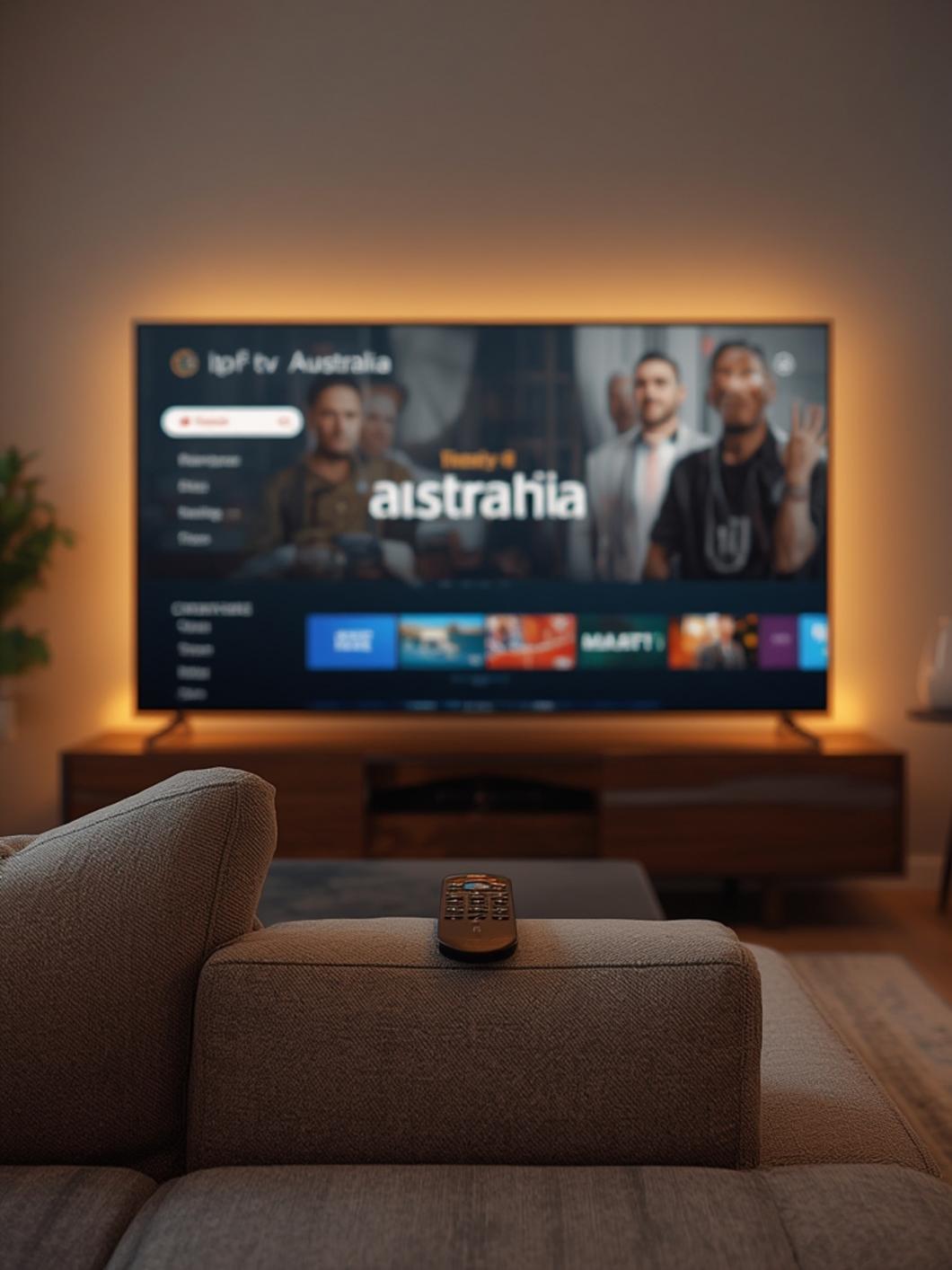
best 4k streaming australia — iptvservice.com.au
| Content Type | 4K Availability in Australia |
|---|---|
| Sports | Excellent (AFL, NRL, Cricket, Tennis, F1) |
| Movies | Very Good (Most new releases, growing catalogue) |
| TV Shows | Good (International series, limited Aussie content) |
| Documentaries | Excellent (Nature, history, science well represented) |
| Live TV | Limited (Special events and selected channels only) |
❓ Frequently Asked Questions
Do I really need 4K IPTV if I already have free-to-air TV?
Absolutely, if picture quality matters to you. Free-to-air broadcasts in Australia are still limited to 1080i in most cases, which offers significantly less detail than true 4K content (3840×2160). The difference is particularly noticeable on screens larger than 55 inches or when viewing content like sports, nature documentaries, or action films where fine detail enhances the experience.
Is my NBN connection fast enough for 4K IPTV?
If you have NBN 50 or higher, you should be able to stream 4K content without issues in most situations. A single 4K stream requires 15-25 Mbps of consistent bandwidth. However, if multiple people are streaming simultaneously or using the internet for other purposes, consider upgrading to NBN 100. Use sites like Speedtest.net during peak evening hours to verify your actual speeds, not just what your provider advertises.
Are all 4K IPTV services legal in Australia?
No, not all services operate legally. Legitimate 4K IPTV services have proper licensing agreements with content owners and pay appropriate royalties. Be wary of services offering thousands of channels at suspiciously low prices, as these likely operate in legal grey areas. Stick with established providers that have clear terms of service, Australian business registrations, and transparent content sourcing policies.
How much data does 4K IPTV use?
4K streaming consumes approximately 7-10GB per hour, depending on the provider’s compression efficiency and whether HDR is enabled. For a household that watches 3 hours of 4K content daily, you’re looking at roughly 630-900GB per month just for streaming. Most unlimited NBN plans can handle this, but if you’re on a capped mobile broadband plan or have multiple viewers, data usage can become significant.
Can I watch 4K IPTV on my regular smart TV without additional hardware?
Most smart TVs manufactured after 2018 support 4K streaming through built-in apps, but the experience varies dramatically. Newer models (2023 onwards) generally have sufficient processing power for smooth playback, while older models may struggle with high-bitrate 4K content, resulting in buffering or app crashes. For the best experience, especially with multiple services, a dedicated streaming device like NVIDIA Shield, Apple TV 4K, or Fire TV Stick 4K Max is recommended.
🎯 Final Verdict
The 4K IPTV revolution has transformed how Australians consume entertainment in 2026, delivering unprecedented clarity and immersion that makes every pixel of your expensive TV work for its keep. While technical requirements remain somewhat demanding, the widespread NBN improvements and more affordable streaming hardware have democratized access to ultra-HD content for most Australian households. For those seeking the ultimate visual experience across sports, movies, and TV shows, a quality 4K IPTV subscription represents the best path forward in our increasingly streaming-centric media landscape. With competitive offerings starting from just $25/month and the Best Prices consistently available at iptvservice.com.au, there’s never been a better time to elevate your viewing experience to the next level. Take advantage of the free trials, test the quality on your specific setup, and prepare to be amazed at what modern 4K streaming can deliver to your living room.