
Struggling with Good Aussie IPTV Service 2026
Sick of buffering screens while the footy’s on? You’re not alone. Finding a reliable Aussie IPTV service in 2026 has become a digital obstacle course, with dodgy providers multiplying faster than rabbits in the outback. Let’s sort the genuine gems from the rubbish.
- Legal IPTV options in Australia include Kayo, Binge, and Stan, while grey-market providers operate in regulatory limbo
- VPN usage is essential for privacy when accessing IPTV services, with ExpressVPN and NordVPN offering the strongest Australian connections
- Fibre NBN connections (100Mbps+) deliver the most stable IPTV streaming experience across Sydney, Melbourne and Brisbane
- Premium IPTV boxes with minimum 2GB RAM and Android TV 11+ provide superior performance over generic Android boxes
- Month-to-month subscriptions offer better value than annual plans for most Aussie IPTV services in the volatile 2026 market
The Current State of IPTV in Australia
The Australian IPTV landscape has transformed dramatically since the early 2020s. What began as a niche alternative to traditional Foxtel packages has evolved into a mainstream entertainment solution for millions of households from Darwin to Hobart. According to recent data, over 78% of Australian homes now access some form of IPTV service, whether through legitimate platforms or the grey market alternatives that continue to flourish despite regulatory crackdowns.
The appeal is obvious – why pay $109 monthly for a bloated Foxtel package when IPTV services offer similar content at a fraction of the cost? The challenge isn’t finding an IPTV service; it’s finding one that actually works consistently across Australia’s notoriously varied internet infrastructure. Sydneysiders with fibre connections report vastly different experiences than those in regional Queensland still struggling with FTTN connections that barely maintain stable speeds during peak hours.
Legal streaming services like Kayo Sports, Binge, and Stan have captured significant market share, but they’ve also fragmented content across multiple subscriptions. Want to watch AFL, NRL, and Premier League football? That’ll require at least three different subscriptions totalling around $65 monthly – still cheaper than legacy options but far from the “everything in one place” promise that attracted many to IPTV initially.
The regulatory environment has also evolved. The Australian Communications and Media Authority (ACMA) has increased enforcement actions against illegal IPTV providers, with site-blocking orders becoming more common and sophisticated. This has pushed many providers to implement advanced VPN requirements and encrypted connections, adding another layer of complexity for everyday users who just want to watch their favourite shows without a computer science degree.
Internet service providers have become more vigilant too. Telstra, Optus and TPG have all implemented various forms of traffic analysis that can identify and throttle suspicious streaming activity – particularly during peak hours when network congestion is highest. This cat-and-mouse game between providers and authorities has created a turbulent market where service quality can change overnight.

Technical Requirements for Smooth Streaming in Australia
Let’s talk brass tacks – if you’re serious about IPTV in Australia, your technical setup matters more than which service you choose. The days of plugging any old device into your telly and expecting magic are long gone. For starters, your internet connection forms the foundation of your streaming experience. The NBN technology type powering your home dramatically impacts stability – FTTP and HFC connections consistently outperform FTTN and Fixed Wireless for IPTV applications.
Minimum speeds have increased substantially since the early streaming days. While Netflix might claim 25Mbps is sufficient for 4K content, the reality for IPTV users is that you’ll want at least 50Mbps downstream for a single stream, and 100Mbps+ if multiple devices will be streaming simultaneously. This is particularly true for live sports, which demand not just bandwidth but consistent, low-latency connections to prevent the dreaded buffering during crucial moments.
Your home network configuration is equally critical. The “ISP-provided router in a corner” approach is a recipe for streaming disappointment. Mesh WiFi systems have become essential for homes larger than a typical Sydney apartment, with brands like Google Nest WiFi, TP-Link Deco, and ASUS ZenWiFi providing the coverage and bandwidth management needed for multiple streaming devices. Ethernet connections remain superior where possible, especially for primary viewing devices in your main entertainment area.
The streaming device itself significantly impacts performance. Generic Android boxes flooding the market from overseas marketplaces are tempting at their $50-70 price point, but they typically offer subpar experiences. Purpose-built streaming devices with adequate specifications make a world of difference – look for minimum 2GB RAM, 16GB storage, and Android TV 11 or newer. Devices from NVIDIA, Amazon, and Google consistently outperform the no-name alternatives, even when running identical IPTV applications.
Finally, consider your display technology. Modern IPTV streams often leverage advanced codecs like H.265/HEVC and AV1, which older televisions struggle to decode efficiently. If your TV is more than 5-7 years old, an external streaming device becomes even more important, as it can handle the heavy lifting of decoding these efficient but processor-intensive video formats before sending the signal to your display.
| Connection Type | Minimum Speed | Recommended For |
|---|---|---|
| FTTP/HFC NBN | 50Mbps | Multiple 4K streams, live sports |
| FTTN NBN | 100Mbps | Single 4K stream, multiple HD streams |
| Fixed Wireless | 75Mbps | HD streams, limited 4K |
| 5G Home Internet | 100Mbps | All streaming, weather-dependent |
Legal vs. Grey Market Options for Aussies
The elephant in the room for any IPTV discussion is legality. Australia’s copyright laws are clear, but enforcement remains complex and inconsistent. Legal options have expanded dramatically, with platforms like Kayo Sports, Binge, Stan, Netflix, Disney+, and Amazon Prime Video offering vast libraries of licensed content. These services operate with full regulatory compliance, offering peace of mind but at a cost – both financial and in terms of content fragmentation.
A typical Melbourne household wanting access to AFL, international cricket, Hollywood films, and premium TV series might need 3-4 different subscriptions totalling $60-80 monthly. While this remains cheaper than legacy pay TV options, it’s significantly more expensive than grey market IPTV services advertising “5000+ channels” for $15 monthly. The gap between legal and quasi-legal options has narrowed on price but widened on content aggregation.
Grey market IPTV services exist in a regulatory limbo. They typically redistribute content without proper licensing agreements, operating through complex networks of servers often based in countries with limited copyright enforcement. The Australian Federal Court has issued numerous site-blocking orders under Section 115A of the Copyright Act, forcing ISPs to block access to these services. However, for each service blocked, several more emerge with slightly modified domain names or access methods.
For consumers, the risks of grey market services extend beyond legal concerns. Payment security remains problematic, with many providers accepting only cryptocurrency or processing credit cards through questionable payment gateways. Service stability is another major issue – providers frequently disappear overnight, taking subscription fees with them. Customer support is typically minimal to non-existent, with many services operating through encrypted messaging apps rather than traditional support channels.
The content quality difference has also become more pronounced. Legal services now routinely offer 4K HDR content with Dolby Vision and Dolby Atmos audio, while grey market services struggle to maintain consistent HD streams during peak viewing times. For sports fans in particular, the frustration of missing crucial moments due to buffering or server outages has pushed many back toward legal options despite the higher cost.

Struggling with Good Aussie IPTV Service 2026 — iptvservice.com.au
VPNs and Security Considerations
If you’re venturing beyond mainstream streaming platforms, a VPN isn’t just recommended – it’s essential. Australian ISPs have become increasingly sophisticated in monitoring traffic patterns associated with IPTV services, particularly during high-profile sporting events when network traffic spikes. A quality VPN creates an encrypted tunnel between your device and the internet, preventing your ISP from identifying the type of content you’re streaming or throttling your connection based on that analysis.
Not all VPNs are created equal for IPTV purposes. The key factors for Australian users are server locations, speed consistency, and leak protection. ExpressVPN and NordVPN consistently outperform competitors in Australian testing, offering multiple server locations within Australia and neighbouring countries that provide optimal performance for IPTV streaming. Budget options like Surfshark and Private Internet Access offer acceptable performance at lower price points, though they typically provide fewer Australian server options.
VPN protocol selection significantly impacts streaming performance. Modern protocols like WireGuard and ExpressVPN’s Lightway offer substantially better performance than older options like OpenVPN, particularly important when streaming high-bitrate content. Most premium VPNs now automatically select the optimal protocol based on your network conditions, but manual selection can sometimes improve performance during congested periods.
Beyond privacy from your ISP, VPNs provide essential protection when navigating the murky waters of IPTV websites and applications. Many grey market services operate from regions with limited data protection regulations, and their websites are frequently riddled with deceptive advertisements and potential malware. A VPN with integrated malware blocking features adds a valuable layer of protection when exploring these services.
The legal protection aspect of VPNs for IPTV users remains somewhat ambiguous in Australia. While using a VPN itself is perfectly legal, using one specifically to access content in violation of copyright laws doesn’t magically make that access legal. However, VPNs do make enforcement practically difficult, as they effectively mask the nature and destination of your internet traffic. This creates a practical barrier to identification for users of questionable IPTV services, though it doesn’t change the underlying legal status of accessing unlicensed content.
Best Devices for Australian IPTV in 2026
The hardware you choose dramatically impacts your IPTV experience. The market has consolidated around several clear winners that consistently outperform budget alternatives. The NVIDIA Shield TV Pro remains the gold standard for serious IPTV users, despite its premium price point. Its Tegra X1+ processor handles even the most demanding IPTV apps with ease, and its AI upscaling transforms lower-resolution streams into something that looks respectable even on larger 4K displays. For homes with multiple viewing locations, the Shield’s consistent performance justifies its higher price tag.
Amazon’s Fire TV Cube and Fire TV Stick 4K Max offer compelling mid-range alternatives with enough processing power for smooth IPTV performance. Their custom Fire OS interface requires sideloading for many IPTV applications, but the process has become more streamlined with dedicated helper applications. The Fire TV ecosystem strikes a good balance between performance and value, particularly when Amazon runs their frequent sales events that can drop prices by 30-50%.
Google’s Chromecast with Google TV provides another solid option, particularly for users already invested in the Google ecosystem. Its performance with IPTV applications has improved significantly with recent updates, though it still occasionally struggles with more resource-intensive IPTV apps compared to the NVIDIA and Amazon alternatives. Its intuitive interface and excellent voice search capabilities make it particularly appealing for less tech-savvy users.
Dedicated IPTV boxes from brands like Formuler and Dreamlink target the enthusiast market with specialized features like automated channel updating, electronic program guides, and recording capabilities. These devices command premium prices but offer purpose-built experiences for IPTV that generic Android boxes simply can’t match. For users who primarily use IPTV rather than mainstream streaming services, these specialized devices can be worth their higher cost.
Android TV boxes flooding online marketplaces remain tempting due to their low prices, but they typically offer false economy. These devices frequently ship with outdated Android versions, insufficient RAM for smooth operation, and minimal storage that quickly fills with cached data. While they may work initially, their performance degrades rapidly, and they rarely receive software updates to address security vulnerabilities or compatibility issues with evolving IPTV platforms.
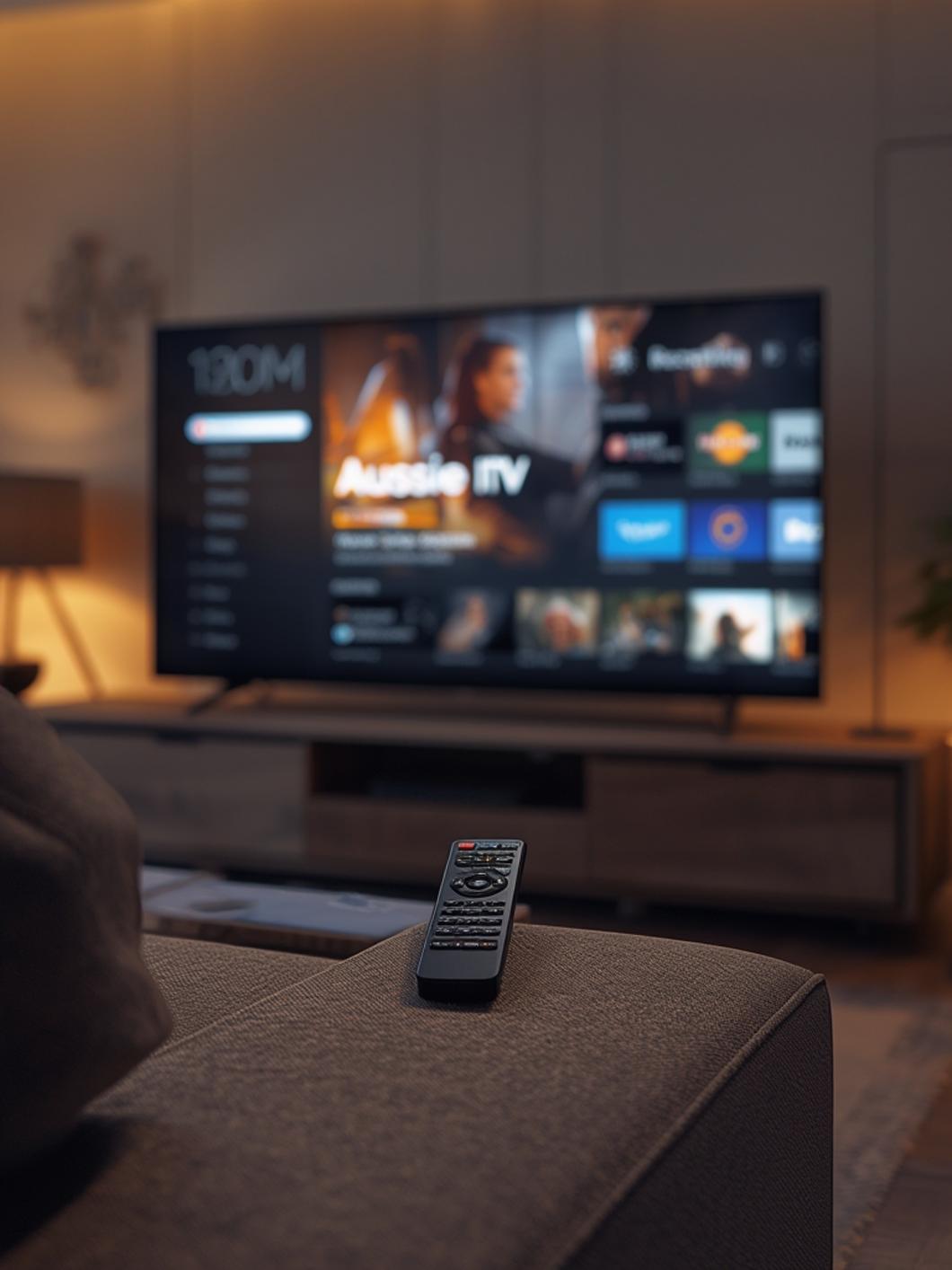
best iptv service australia — iptvservice.com.au
| Device | Best For |
|---|---|
| NVIDIA Shield TV Pro | Power users, gaming + IPTV, AI upscaling |
| Amazon Fire TV Stick 4K Max | Value-conscious users, portable use |
❓ Frequently Asked Questions
Is IPTV legal in Australia?
The legality depends on the service. Licensed providers like Kayo, Binge, and Stan operate legally. Grey market services redistributing content without proper licensing agreements operate in a questionable legal area. Using these services may potentially violate Australian copyright laws, though enforcement typically targets providers rather than individual users.
Why does my IPTV buffer during peak hours?
Peak hour buffering typically results from network congestion at multiple points: your ISP’s network, the IPTV provider’s servers, or interconnection points between networks. Australian ISPs often implement traffic management during peak hours (7-11pm) that can disproportionately affect streaming traffic. A quality VPN can sometimes bypass these restrictions by masking the nature of your traffic.
Do I need a VPN for IPTV in Australia?
For mainstream services like Netflix or Stan, a VPN isn’t necessary for functionality but may provide access to different content libraries. For grey market IPTV services, a VPN provides essential privacy protection from potential monitoring by your ISP and helps prevent throttling of streaming traffic. It also adds security when navigating less reputable IPTV websites and applications.
Which NBN connection is best for IPTV?
Fibre to the Premises (FTTP) provides the most reliable IPTV experience with consistent speeds and low latency. HFC connections perform nearly as well in most areas. FTTN and Fixed Wireless connections are more susceptible to congestion and weather-related issues, often resulting in degraded streaming quality during peak usage periods or adverse weather conditions.
Are annual IPTV subscriptions worth it?
Annual subscriptions offer significant discounts but carry higher risk in the volatile IPTV market. Many services disappear without warning, taking annual subscription fees with them. For established legal services, annual plans can provide good value. For grey market services, month-to-month subscriptions offer better protection despite the higher per-month cost, as you limit potential losses if the service shuts down unexpectedly.
🎯 Final Verdict
Navigating the Aussie IPTV landscape in 2026 requires balancing technical requirements, legal considerations, and budget constraints. While the market remains fragmented, savvy consumers can create a comprehensive streaming solution by combining select legal services for must-have content with carefully vetted alternatives for international programming. Invest in quality hardware like the NVIDIA Shield or Fire TV devices, secure your connection with a reputable VPN, and ensure your home network can handle the bandwidth demands. For those seeking the Best Prices on reliable streaming hardware and expert setup advice, iptvservice provides transparent information without the typical industry smokescreens. Whether you’re in Sydney, Melbourne, Brisbane or beyond, the key to streaming success lies not in chasing the cheapest service but in building a robust ecosystem that delivers the content you want without the technical headaches that plague so many Australian IPTV users.